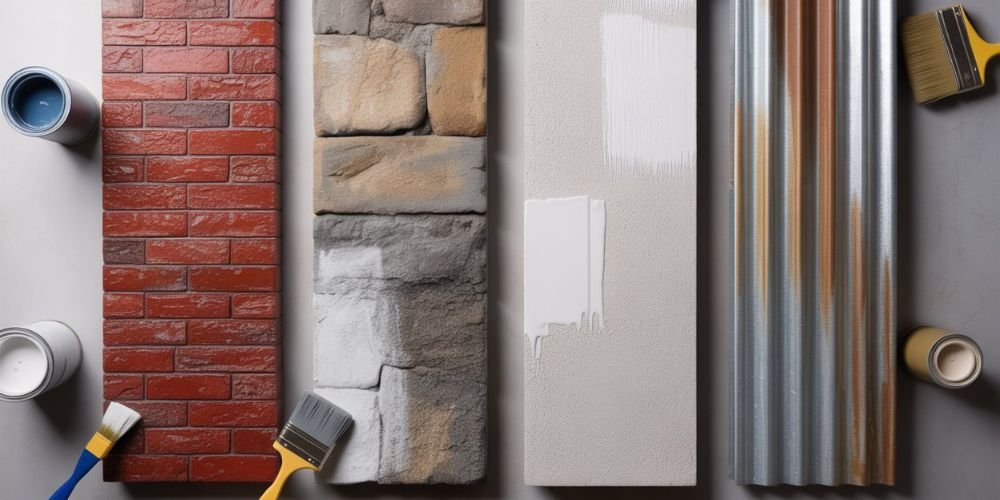
When it comes to upgrading your home’s exterior (or even certain interior accents), painting surfaces like brick, masonry, stucco, or metal can make a dramatic difference. Fresh paint transforms outdated or weather-worn surfaces into something clean, modern, and cohesive, especially in regions like San Antonio, where the sun, humidity, and weather fluctuations can quickly age exterior finishes.
But before you grab a paintbrush, it’s important to understand the pros, cons, and costs of painting these materials. Each surface type has its own characteristics, and knowing what to expect can help you make the best long-term decision for your home.
1. Painting Brick
Pros
- Instant aesthetic upgrade: Painting old brick instantly modernizes your home’s look, whether it’s whitewashing for a farmhouse vibe or going bold with dark tones.
- Seals minor imperfections: Quality masonry paint can help cover discoloration and minor surface flaws.
- Protection from moisture and UV rays: Paint acts as a barrier against rain and sunlight, helping preserve the brick beneath.
Cons
- Permanent change: Once you paint the brick, it’s almost impossible to return it to its original look.
- Moisture concerns: If the brick isn’t properly sealed or if water gets trapped, paint may blister or peel.
- Maintenance: Unlike raw brick, painted brick may need repainting every 7–10 years.
Costs
On average, painting brick exteriors costs between $2 and $4 per square foot, depending on the prep work, paint type, and accessibility. For interior brick walls or fireplaces, costs are typically lower.
Pro Tip from AHC Painting and Remodeling: In humid or variable climates like San Antonio, always use a breathable masonry paint to prevent trapped moisture.
Also read, Interior vs. Exterior Painting: What You Need to Know
2. Painting Masonry (Concrete, Stone, or Block)
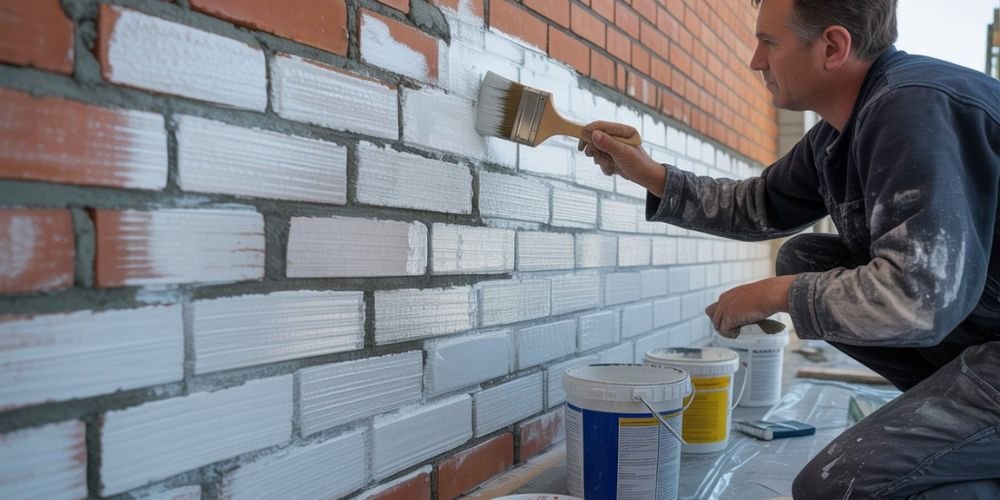
Pros
- Durability and versatility: Masonry paint is formulated to bond well to concrete and stone, creating a long-lasting finish.
- Improved curb appeal: Great for updating older foundations, retaining walls, and outdoor structures.
- Protection from erosion and staining: Paint helps resist water intrusion, dust, and grime.
Cons
- Surface prep is critical: Cracks, efflorescence, or old coatings must be cleaned and repaired first.
- Can hide character: Some homeowners prefer the natural texture and variation of unpainted stone.
- Requires special primers: Standard latex paints won’t adhere properly without a masonry primer.
Costs
Expect $1.50–$3.50 per square foot for most masonry surfaces. Heavily textured or damaged masonry may cost more due to extensive prep work.
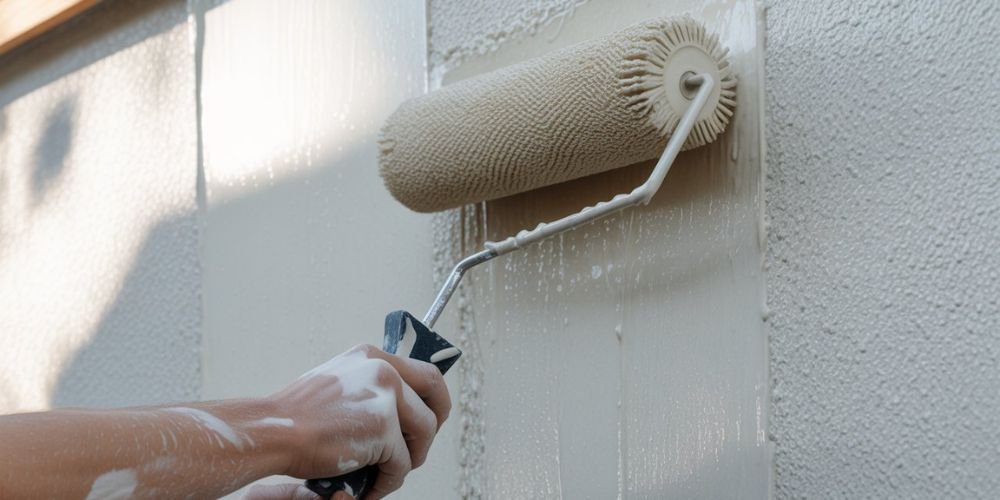
3. Painting Stucco
Pros
- Refreshes faded finishes: Painted stucco can bring new life to dull or weathered surfaces.
- Adds a moisture barrier: Proper elastomeric paints can seal hairline cracks and protect against water.
- Color flexibility: Easier to change colors compared to re-stuccoing.
Cons
- Risk of peeling or bubbling: If moisture is trapped behind the stucco, paint can fail prematurely.
- Maintenance required: Painted stucco needs repainting about every 5–8 years, depending on exposure.
- Surface prep is demanding: Cracks and chips must be repaired before painting for a smooth result.
Costs
Professional stucco painting runs $1.80–$3.60 per square foot. High-quality elastomeric paint may cost more upfront but offers better protection and longevity.
As discussed in our guide on how weather affects exterior paint, San Antonio’s sun and humidity can shorten paint life if improper materials are used. AHC’s team ensures every stucco surface is sealed and coated with weather-resistant products.
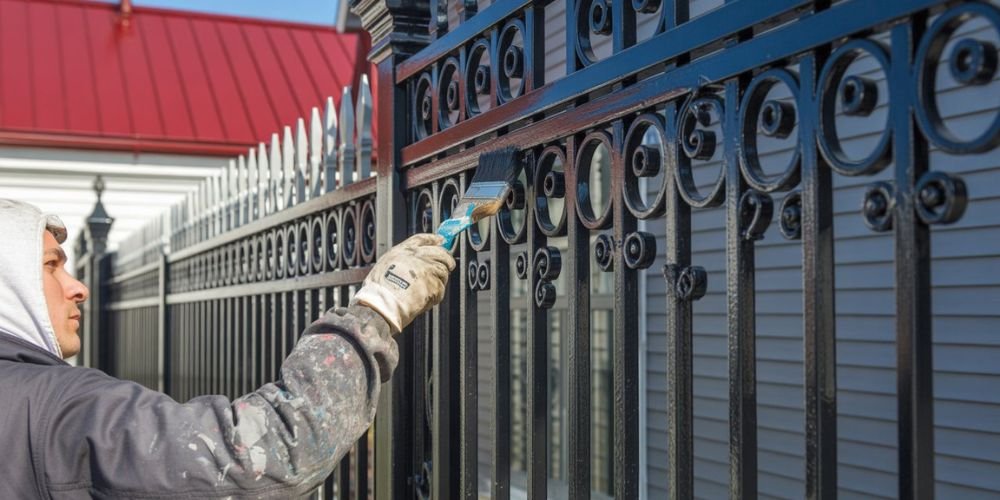
4. Painting Metal (Gates, Railings, Siding, Roofs)
Pros
- Rust protection: Metal-specific primers and paints protect against oxidation and corrosion.
- Improved appearance: A fresh coat of paint can modernize older metal railings, doors, or exterior trim.
- Extended lifespan: Properly painted metal can last 10–15 years before needing touch-ups.
Cons
- Surface prep is crucial: Any rust or flaking paint must be removed completely before repainting.
- Requires specialized coatings: Not all paints adhere to metal; epoxy or oil-based primers are often needed.
- Temperature sensitivity: Painting metal in extreme heat or cold can affect adhesion.
Costs
Painting metal surfaces averages $2–$6 per square foot, depending on the type (e.g., railings, siding, roofing) and coating system used.
5. Comparing Surfaces: Which Should You Paint?
| Surface | Lifespan (Painted) | Repaint Interval | Recommended Paint Type | Notes |
| Brick | 7–10 years | 7–10 years | Breathable masonry paint | Permanent finish |
| Masonry | 10–12 years | 8–10 years | Acrylic masonry paint | Repair cracks first |
| Stucco | 5–8 years | 5–8 years | Elastomeric paint | Seal before painting |
| Metal | 10–15 years | 10 years | Oil or epoxy paint | Rust prevention critical |
Also read, How to Paint Over Wallpaper?
6. Cost Factors to Consider
Several elements can affect the overall project cost:
- Surface condition and repairs (cracks, flaking, or old coatings)
- Paint quality and brand (premium paints last longer but cost more)
- Height and accessibility (two-story homes or roofs increase labor)
- Climate exposure (sun, rain, humidity)
- Professional vs DIY labor
While DIY painting may save money initially, professional application ensures proper prep, weather sealing, and lasting results, especially important for porous surfaces like brick or stucco.
7. Is It Worth Painting Brick, Masonry, Stucco, or Metal?
In most cases, yes, it’s worth it, provided the right materials and prep steps are used. Painting can:
- Boost curb appeal and resale value
- Protect surfaces from moisture and UV damage
- Modernize outdated finishes
- Extend the lifespan of exterior materials
However, if your brick or stucco is already in great condition, or if you value its natural character, you might explore other options like limewashing or staining instead of full paint coverage.
AHC Painting & Remodeling’s Expert Insight
At AHC Painting and Remodeling, we’ve seen how the right painting approach can completely transform a home, inside and out. Whether it’s painting stucco for modern texture, refreshing a brick façade, or protecting metal railings from rust, our team ensures every surface gets the right prep, primer, and paint for San Antonio’s weather.
We combine professional craftsmanship with durable materials designed to stand up to Texas heat, humidity, and seasonal weather changes.
Conclusion
Painting brick, masonry, stucco, or metal isn’t just about adding color; it’s about preserving, protecting, and enhancing your home’s structure. With the right prep, products, and expertise, you can achieve a long-lasting finish that looks great for years.
If you’re planning to repaint your San Antonio home exterior or want expert advice on which surfaces should or shouldn’t be painted, contact AHC Painting and Remodeling for a free consultation. We’ll help you choose the right solution for your style, budget, and climate.